Love ... or Fear
Re-Considered by Yusuf Kemal Kasideci ·
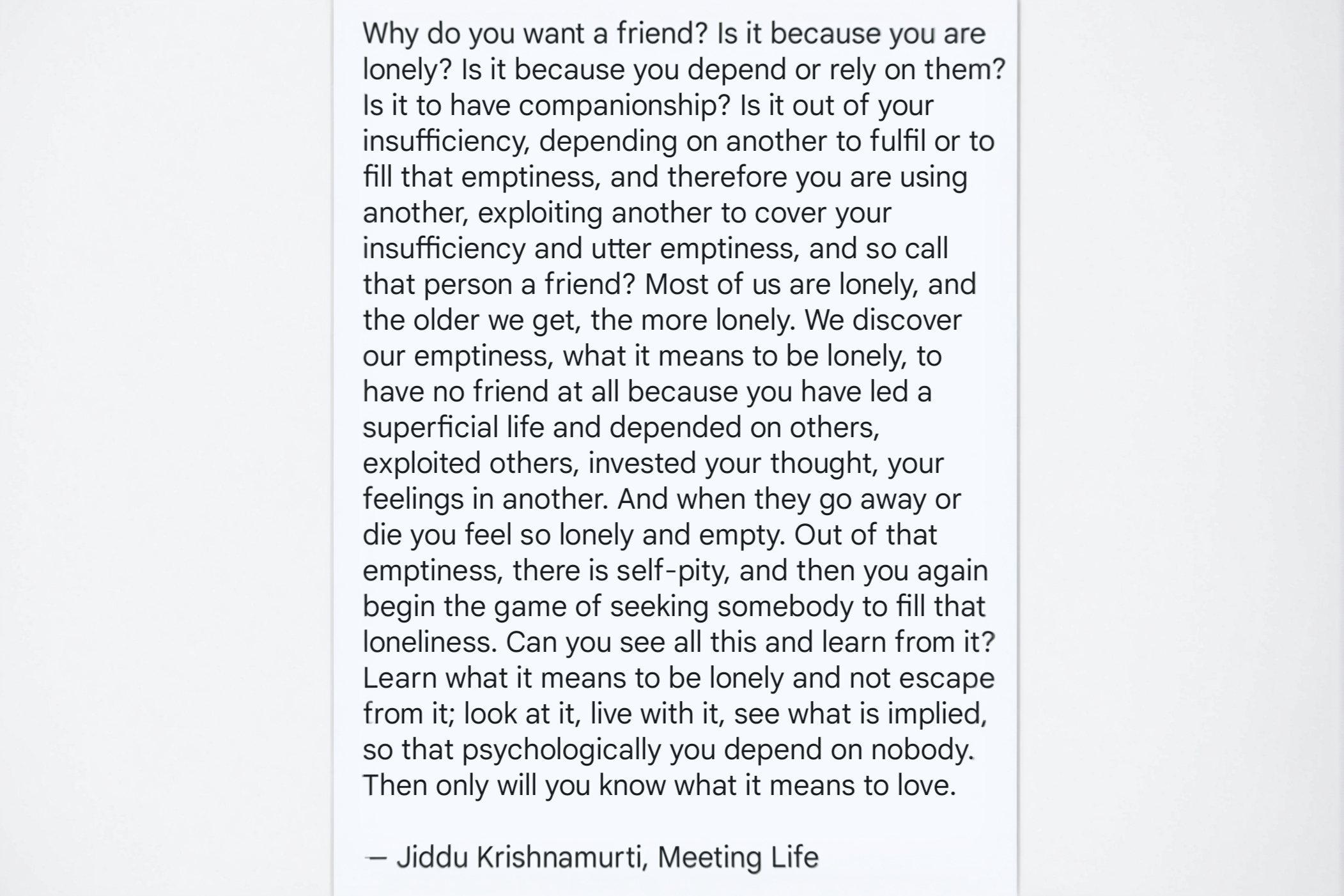
Love can be such a multi-faceted emotional experience. It can mean sacrificing what we think we need or want, for the sake of the peace and happiness of those we profess our love to. This can apply to any type of love, even with our own siblings, children and parents.
Sometimes, it means isolation, communicational disconnection and even a tinge of alienation to truly discover the real depth of the love we feel. And to truly love someone, it involves practising compassion, showing a patient understanding, as well as affectionate guidance and selfless caring and kindness to the people we love and hold dear in our hearts.
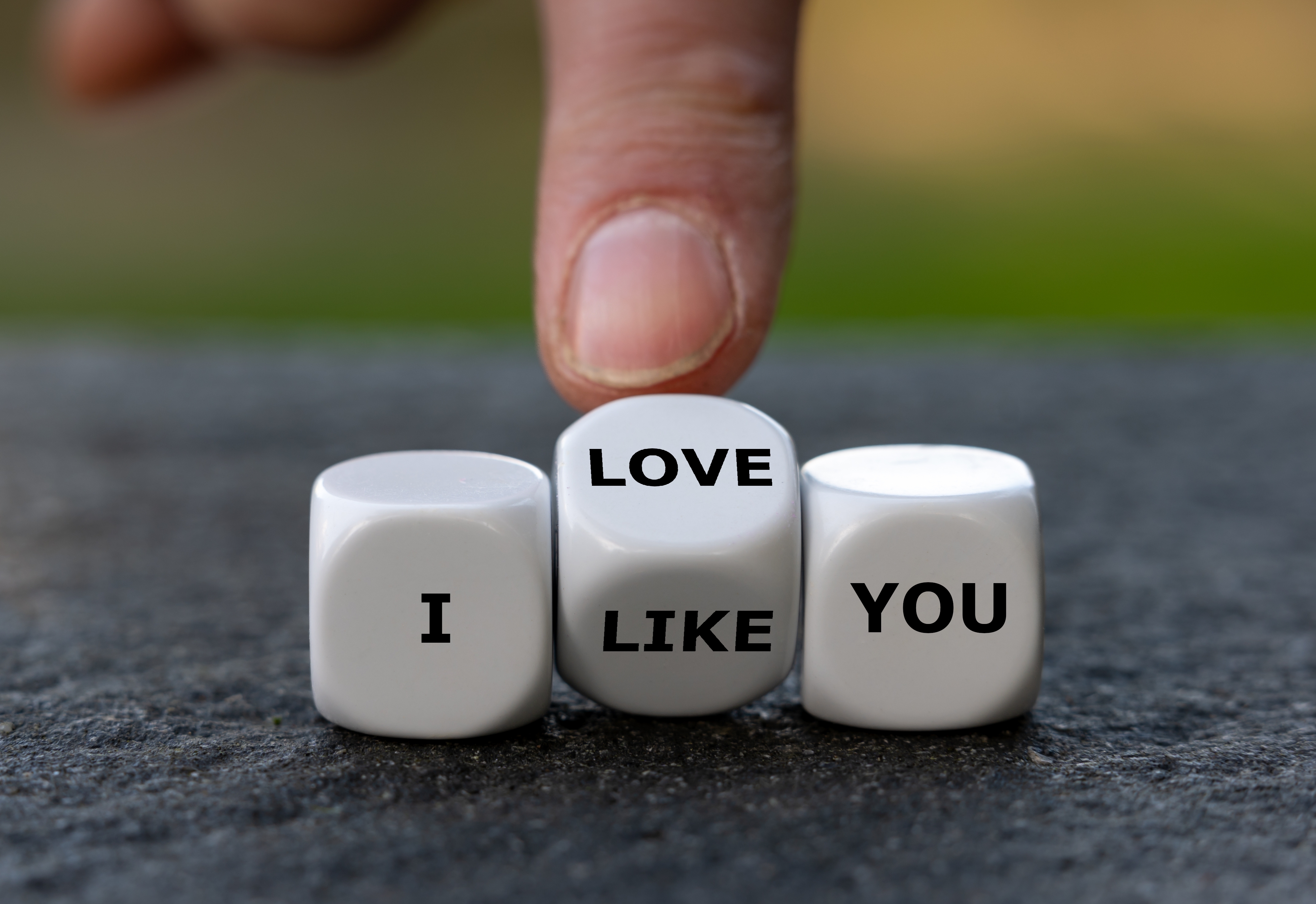
For there are only two choices in this world: Love or fear. However many don’t realise how love can also invite fear, and how fear can be falsely perceived as being essential—or even equivalent—to love.
So the question boils down to a simple yet powerful instance of self-inquiry: Am I functioning from a place born out of fear or, one rooted in love?
Are my actions and decisions born out of fear of what others might think, fear of being judged or fear of not being enough? or are they made from a place of genuine love and deep understanding of who I am, what I am here to do in this world, and what's best for me? Do I want to live as me or the image others perceive of me?
Nothing in life is to be feared, it is only to be understood. All our fears are illusions — ghost stories — we keep narrating to ourselves just to have some dramatic substance to entertain ourselves with.
The deeper the love, the deeper the fear of losing it. And that’s the paradox really. The more we love someone, the more we fear that that love could be taken away. But perhaps, if we remembered the inevitability of our deaths, we’d find comfort in knowing that the loss of our love is just as inevitable. Perhaps what makes love beautiful is it’s fragility.
And indeed, we have such deeply flawed beliefs about love. We desperately convince ourselves that love is sharp; it wounds; it leaves marks. We nibble on empty promises, swallow half-hearted apologies, retch on so-called ‘innocuous’ lies, and call it forgiveness. We stay because we’ve been sold the tantalising yet costly chimerical idea that love is patient; love is enduring; love is sacrifice—without being given any caveats as to when this doesn’t apply.
We sacrifice our joy, inner peace, sometimes even our very bodies. We give and give and give, like foolish competitors trying to find out who will last longer in a hunger game duel we never signed up for. Eventually the hunger consumes every remaining part of us. And even though we feel it distorting our vision, we rarely if ever stop to think if our stoicism is born out of love, or if fear was in the driver’s seat; The fear of being alone; the fear of what it means to be left behind, to be abandoned, to have to start from scratch again.
So in our quiet yet pain-ridden desperation, we reach with trembling hands for the few crumbs flung at us disdainfully and call it a meal. Petrified of starving again, we stay. But in doing so, we starve our souls of the very thing we’re trying to provide them with.
Perhaps one day, we might realize that love should never leave us hungry. But until then, we convince ourselves that this is enough, that this is all there is—and we continue to nibble on the crumbs, the love that is not love at all. Because we are starving, and starved people will eat anything.