The Golden Circle — In Love
Re-Considered by Yusuf Kemal Kasideci ·




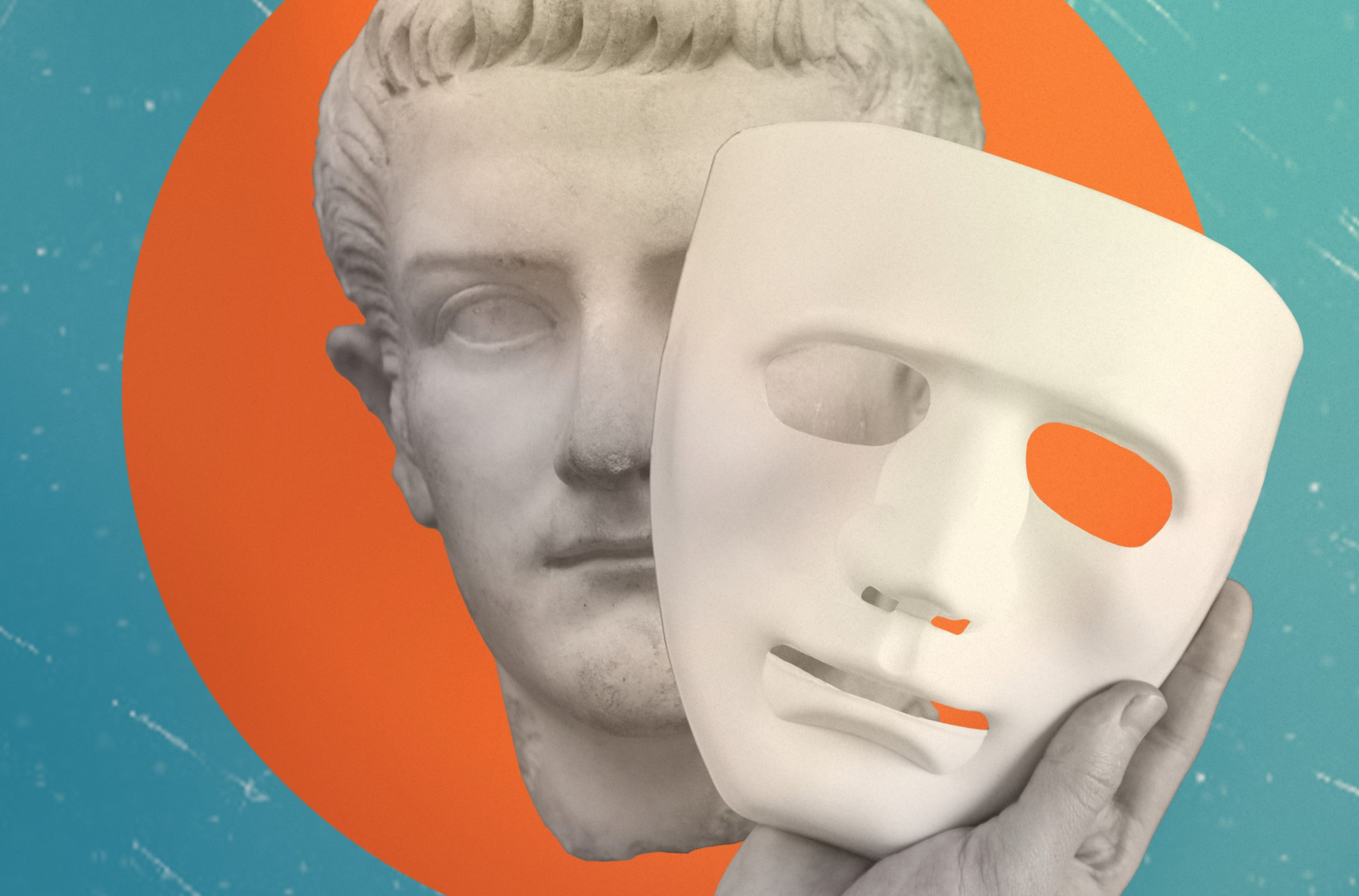
Looks can be deceiving, they say. Indeed, romantic attraction can blind us to what is right there in front of us. What we may think we’re seeing might turn out not to be there. Romance is a game of illusion—a game where seeing is truly believing.
Let’s explore the three stages of romantic love to better understand how this magical yet often misunderstood realm of the human experience really works.
“I Like You”
Sensitivity to mistakes: High → Medium
Liking is about outer beauty; it’s based on attraction. At this early stage, infatuation sets in. We see the other person through rose-coloured glasses and lose ourselves in fantasies about them. Because of this, we are highly prone to being disappointed when their perceived perfection turns out to be false. Our reaction isn’t to who they are; but to what we believe they are. Small cracks in the image feel disproportionately threatening because they threaten the fantasy itself.
“I am in love with You”
Sensitivity to mistakes: Medium → Low
This stage of love is about inner beauty. It’s where attraction evolves into a more mature understanding of the person and their complexities. At this phase, we learn to not just ‘like’ how a person looks, but completely fall in love with every part of them, which involves their behaviour, bad habits, and especially, their personality—such as humour, emotional patterns, preferences, and contradictions. It’s no longer about outer appearances anymore, but their inner world.
Here we learn to love that person for who they are, so long as who they are doesn’t violate our still-rosey perception of them. Yes, we love their inner beauty, but that doesn’t mean this love is unconditional. There are conditions—shared values, emotional safety, consistency, trust—these become the invisible terms of the contract. And a monster inside them, if unleashed, can threaten that image we’ve built of them, contravening those conditions upon which our love is built.
“I Love You (unconditionally)”
Sensitivity to mistakes: None
Unconditional love is independent of both outer and inner beauty. It no longer becomes possible for us not to love that person. Our love is truly independent of what they look like, how they act, and even how they treat us.
Usually, this is the type of love seen between parent and child, and, ideally, between siblings. But of course, we don’t live in an ideal world, and even those familial relations oftentimes come with invisible strings attached.
Unconditional love, in this sense, isn’t about compromising on our boundaries or being weak, as some people may misinterpret it. It’s about loving the other person, truly for who they are—without us in the picture.
Unconditional love is when the fiery passion of being in love evolves into a more stable one that is based on mutual empathy. The fuel behind the love is no longer passion; it’s compassion. We love the person not necessarily for their looks, or for their body, or for their behaviour, or for their personality anymore, but for the awareness—the consciousness—that lies deep within them: their soul.